
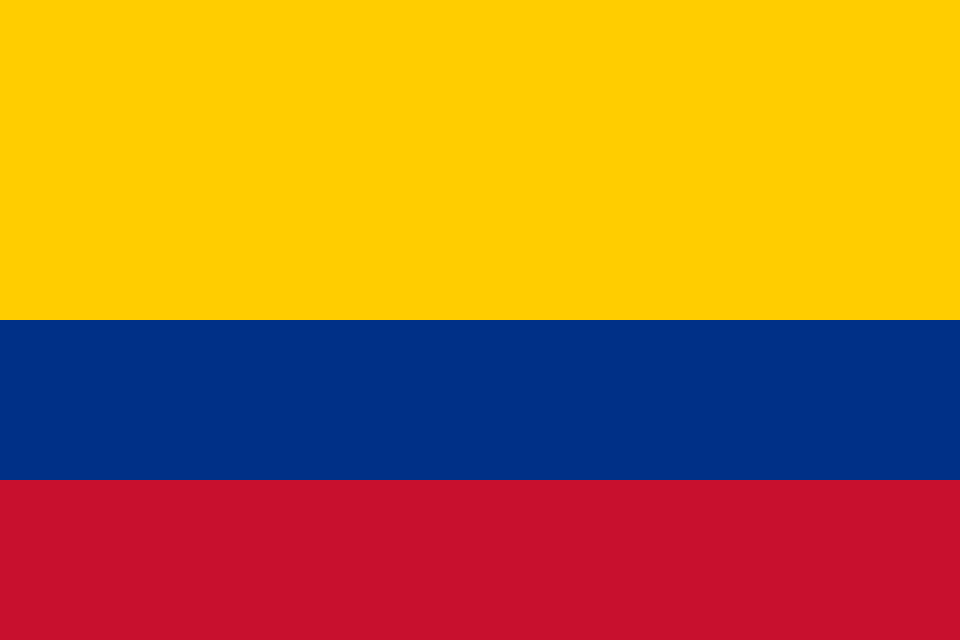
Colombia's organized crime syndicates have extensive international connections, according to InSight Crime. These groups leverage the country's strategic location to facilitate the global distribution of illicit substances, primarily cocaine.
The significance of this development lies in the shifting dynamics of Colombia's security strategy, which has moved away from negotiations with criminal organizations. This change follows the approval of a new bill that offers reduced sentences to criminals who surrender, but excludes political negotiations, marking a departure from the previous administration's 'Total Peace' policy.
The bill, supported by President Abelardo de la Espriella, aims to address the deeply fragmented nature of Colombian organized crime. This fragmentation arose from the demobilization of paramilitary groups in the early 2000s and the 2016 peace agreement with a major guerrilla group, leading to the rise of dissident and rearmed insurgents focused on illicit activities.
Colombia's geographical advantages play a crucial role in the operations of these criminal groups. The country's access to both the Pacific and Atlantic oceans enables the shipment of cocaine to various international destinations. Additionally, its porous borders with neighboring countries facilitate the movement of drugs, contraband, arms, and migrants, according to InSight Crime.
The rugged terrain of Colombia, characterized by three mountain ranges and dense jungles, provides ideal hiding spots for clandestine drug laboratories and storage facilities. This terrain makes it challenging for authorities to monitor and intercept illicit activities. Furthermore, the country's gold resources are suspected to have fueled the spread of illegal mining, which serves as a significant revenue stream for criminal organizations, sometimes surpassing profits from drug trafficking.
The origins of Colombia's involvement in drug trafficking date back to the 1970s, when farmers in the northern region began cultivating marijuana as a more profitable alternative to legal crops, according to InSight Crime. This period, known as the 'Bonanza Marimbera,' is accused of laying the groundwork for the trafficking of other drugs, including cocaine.
Colombian drug traffickers soon became key players in the international cocaine trade, allegedly linking producers in Peru and Bolivia with markets to the north.
The Colombian government's response to the growing influence of drug traffickers included the approval of extradition treaties with the United States in the 1980s, according to InSight Crime. This move was prompted by the assassination of Justice Minister Rodrigo Lara Bonilla, who had accused Escobar of links to drug trafficking. The extradition of drug traffickers to the United States led to a wave of violence, with dozens of police, politicians, and judges targeted by 'Los Extraditables,' a group opposed to extradition, according to InSight Crime.